Women's Wellness · Educational Series
Inside the Quiet Curiosity Around Baking Soda and Gelatin in Women's Wellness Routines
Search interest in traditional kitchen staples has climbed steadily across wellness communities in recent years. As more women revisit baking soda and gelatin, educators are taking a closer look at what this renewed attention actually reflects about collagen, satiety, and body composition — without shortcuts, and without guarantees.
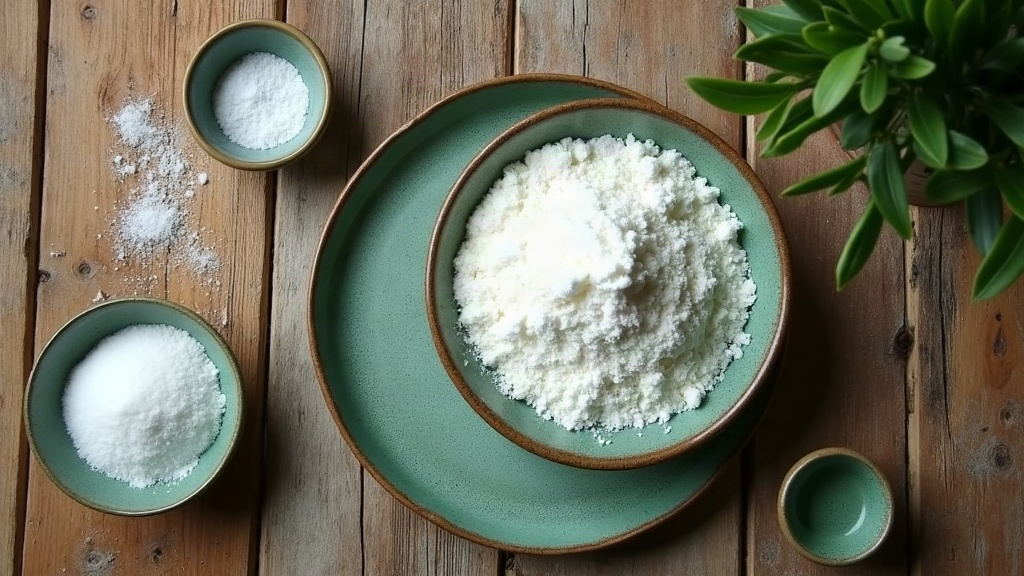
What Actually Changes in a Woman's Body Over Time
Long before any conversation about habits or routines, several physiological shifts are already underway. Understanding them is the starting point — not the solution.
Collagen Production Slows
The body's natural collagen synthesis gradually decreases with age, which is part of why kitchen staples like baking soda and gelatin have drawn renewed academic and consumer interest.
Satiety Signals Shift
Hormonal changes can influence how fullness is perceived after meals, making appetite regulation a more complex picture than calorie counting alone suggests.
Lean Mass Composition Changes
The ratio of lean mass to other tissue tends to shift over time, independent of scale weight, which is why body composition is discussed separately from body weight.
Traditional Diet Models Fall Short
Many mainstream diet frameworks were not originally designed around female physiology, leaving gaps that some women address by revisiting older culinary practices.
Metabolism Myths vs. What the Research Actually Says
Metabolism is one of the most misunderstood topics in women’s health. Here is a sober look at three common claims.
Metabolism is fixed and cannot be influenced by daily habits.
While genetics play a role, factors like sleep, movement, and protein intake are consistently linked to metabolic function in published research.
Eating less is always the most effective path to a leaner body composition.
Severe caloric restriction is often associated with lean mass loss, which is why composition — not just weight — is emphasized by researchers.
Collagen only matters for skin appearance.
Collagen is a structural protein found in joints, connective tissue, and gut lining, which is why its decline is studied well beyond cosmetic concerns.
A Simple Framework Some Women Use to Revisit Old Habits
This is not a program or a protocol — it is a description of how some women approach the reintroduction of traditional ingredients into a modern routine.
Step 1: Understanding the Ingredient
Before adding anything to a routine, many women start by learning what baking soda and gelatin historically were used for, and why.
Step 2: Observing Daily Patterns
Rather than changing everything at once, attention is paid to existing habits around meals, hydration, and rest.
Step 3: Small, Documented Adjustments
Any changes are introduced gradually, often tracked informally, and always discussed with a healthcare provider when relevant.
Where This Culinary Tradition Actually Comes From
Long before modern supplements existed, home kitchens relied on gelatin-rich stocks and simple pantry staples as part of everyday cooking. Bone broths, slow-simmered stocks, and gelatin desserts were common across many cultures, often passed down through generations without any formal scientific explanation attached to them. Baking soda, separately, has a long domestic history as a multipurpose kitchen ingredient, from baking to digestion-related folk remedies. It is only in recent decades that researchers began studying collagen and its structural role in the body with more precision, prompting some to revisit these older culinary habits through a more modern lens.
The interest in baking soda and gelatin today is less about novelty and more about re-examining ingredients that were already part of everyday cooking for generations — now viewed alongside contemporary research on collagen and connective tissue.
Signs of Change Worth Paying Attention To
Changes in Appetite Patterns
Feeling hungry again shortly after meals can be a sign worth discussing with a healthcare provider, rather than something to ignore.
Skin Texture Changes
Reduced skin elasticity is frequently referenced in dermatological literature as related to collagen decline over time.
Joint Stiffness
Occasional stiffness, particularly after periods of inactivity, is commonly linked to connective tissue changes.
Fluctuations in Body Composition
Changes in how clothing fits, separate from scale weight, often reflect shifts in lean mass and body composition.
Energy Level Changes
Afternoon energy dips are sometimes discussed alongside diet quality and sleep patterns in wellness literature.
Nail Brittleness
Brittle or slow-growing nails are occasionally mentioned in nutrition-focused discussions of protein and micronutrient intake.
What Some Women Have Shared About Revisiting This Habit

These statements reflect personal experiences shared voluntarily. Individual results may vary, and these testimonials are not a guarantee of any specific outcome.
Frequently Asked Questions
Hydrolyzed gelatin is gelatin that has been broken down into smaller protein fragments, sometimes referred to as collagen peptides, which some studies suggest may be more easily absorbed by the body compared to whole gelatin.
No. This page discusses baking soda and gelatin as culinary and educational topics of interest, and does not name or endorse any specific product.
No. This content is educational only and is not a substitute for personalized medical or nutritional advice from a licensed healthcare professional.
Collagen is a structural protein present in skin, joints, and connective tissue, all of which are relevant to how body composition is discussed in current research.
No. They are two distinct ingredients with different traditional culinary uses, though both have drawn renewed attention in wellness discussions.
There is ongoing research into collagen, satiety, and connective tissue, though findings vary and no claims of treatment or cure are made on this page.
This content is intended for women interested in learning more about traditional wellness habits from an educational standpoint.
Curious About the Full Context Behind Baking Soda and Gelatin?
This educational video walks through the culinary history, the current research on collagen and satiety, and why some women are revisiting this old-fashioned habit.
Advertising Disclosure: This page contains sponsored content and affiliate links. We may receive compensation if you click a link or make a purchase through a link on this page. This does not affect the price you pay and helps support the educational content we provide.
Content Disclaimer: This content is provided for educational and informational purposes only. It has not been evaluated by the Food and Drug Administration (FDA) and is not intended to diagnose, treat, cure, or prevent any disease or health condition. Always consult a qualified healthcare professional before making any changes to your diet, exercise, or wellness routine.
Results Disclaimer: Individual results may vary. Any testimonials or experiences shared on this page are personal accounts and are not a guarantee of any specific outcome. No claims of typical results are made or implied.
© 2026 · All Rights Reserved · Contact